Unit 10.2 (M1): Key Concepts in Montessori Education (The Sensitive Periods)
- Please watch both the video presentations above about an important concept of Montessori education which is Sensitive Periods and continue reading the lesson below.
- Refer to Chapter Two of Module 1 (Introduction to Montessori) for further reading.
The Key Concepts in Montessori Education (Part 2)
2. Sensitive Periods
Windows of Opportunity
Sensitive periods are a key concept in Montessori education, referring to specific stages in a child’s life when they are especially open to learning certain skills or absorbing knowledge effortlessly. Let’s explore:
- What sensitive periods are.
- Why they’re important.
- When they typically occur.
- How adults can support a child’s development during these crucial phases.
What Are Sensitive Periods?
The term “sensitive periods” was first introduced by Dutch geneticist Hugo de Vries, who studied developmental stages in animals. He observed that young caterpillars are naturally drawn to light, guiding them to tender leaves, which suit their digestive needs. This sensitivity fades as the caterpillars mature and require tougher leaves while staying hidden from predators.



Dr. Maria Montessori adopted this concept for human development, identifying sensitive periods as special times during which children rapidly acquire certain skills and knowledge. During these windows of opportunity, children:
- Show heightened interest in specific activities.
- Learn quickly and effortlessly.
- Repeatedly engage in tasks that satisfy their inner drives.
Sensitive periods, according to Montessori, are nature’s way of helping children develop skills essential for their growth and survival. These periods typically occur from birth to age six but can arise at later stages as well.

Why Are Sensitive Periods Important?
Sensitive periods are critical because they make learning natural and enjoyable. They are short-lived, and once they pass, the brain loses its heightened readiness for acquiring certain skills. For example, young children learn languages effortlessly, while older children and adults often find it more challenging.
Dr. Montessori described these periods as “windows of opportunity,” during which children’s natural curiosity and motivation drive them to explore, learn, and grow. If these sensitivities are not nurtured, children may miss out on crucial developmental milestones, potentially leading to frustration and slower progress.
How Do Sensitive Periods Work?
Each sensitive period is driven by an innate urge that compels children to engage in specific activities. These repeated actions lead to skill acquisition and development. For instance:
- Teething: Around six months, babies experience an urge to put objects in their mouths. This helps develop their jaw muscles, stimulate the teething process, and prepare them for eating solid foods.

- Motor Skills: When learning to crawl or walk, children fall and try repeatedly, driven by an inner desire to move and explore. This persistence leads to coordination, strength, and independence.

- Self-Sufficiency: Around age three, children want to do tasks like dressing, cleaning, or helping in the kitchen. They often say, “I’ll do it myself!” as they develop fine motor skills and a sense of independence.
- Language Acquisition: In early childhood, children naturally absorb language, mastering grammar, syntax, and pronunciation without formal instruction.
These sensitivities drive learning through joy and satisfaction rather than conscious effort, making the process both effective and rewarding.
No Rewards or Punishments
In Montessori education, rewards and punishments are avoided. Children don’t need external incentives—they find joy in the process of satisfying their inner urges. Imposing external motivations can disrupt a child’s natural development and take away valuable time from sensitive periods.
Instead, Montessori classrooms focus on:
- Providing freedom for children to choose activities aligned with their sensitivities.
- Creating environments where children can explore and learn without fear of failure.
Supporting Sensitive Periods
Adults play a crucial role in maximizing a child’s development during sensitive periods. Here are some ways to support them:
- Observe: Pay attention to what interests your child and provide opportunities for exploration.
- Provide Materials: Offer age-appropriate tools and toys, like teething rings, puzzles, or art supplies, to meet their developmental needs.
- Be Patient: Let children take the lead and repeat activities as often as they need.
- Create Order: Provide a structured and organized environment that encourages independence and focus.
Sensitive Periods in Action
Sensitive periods are natural gifts that make learning enjoyable and instinctive. For example:
- A baby’s urge to chew during teething helps strengthen their jaw and gums.
- A toddler’s fascination with walking or holding objects builds coordination and strength.
- A three-year-old’s desire to “do it myself” fosters independence and confidence.
- A young child’s scribbling is the beginning of writing skills, even if it includes doodles on walls!
By respecting and nurturing these stages, we empower children to reach their full potential effortlessly and joyfully. Sensitive periods are nature’s way of preparing children for life. These special windows of opportunity allow them to develop essential skills with ease, joy, and purpose. By providing the right environment and support, adults can ensure children make the most of these magical stages, laying a strong foundation for their future.

Sensitive Periods & Neurological Development
Sensitive periods are special windows of time in early childhood when a child is biologically primed to learn specific skills or develop certain abilities with remarkable ease. Dr. Maria Montessori proposed that these periods are tied to the development of specific brain areas, which she called nebulae. Brain research has since confirmed that the early years are critical for establishing neural connections and pathways. While the brain retains some ability to adapt throughout life, these changes are much easier and more effective during sensitive periods.
Animal Research Highlights Sensitive Periods
Studies on animals have shown how critical these early periods are for development:
- Vision in Cats: Experiments by David H. Wiesel (1963) revealed that kittens whose eyes were sewn shut during the first three months permanently lost vision in that eye, while adult cats recovered normal vision under similar conditions.


- Tactile Sensitivity in Mice: Mice deprived of whisker sensation shortly after birth developed abnormal sensitivity in their face region.
- Social Contact in Monkeys: Monkeys isolated from social interaction during their first six months showed severe emotional disturbances.
These findings demonstrate that a lack of appropriate stimulation during critical periods can cause irreversible developmental issues.
Human Studies on Sensitive Periods
Similar evidence exists for humans. For example:
- Vision Development: Babies born with conditions like cataracts must have corrective surgery early; otherwise, their brains may not develop the ability to process visual input properly. In contrast, children without such issues naturally master the complexities of vision during their sensitive period.
- Language Development: Early verbal input is crucial for developing language skills. Babies who are not exposed to speech during their sensitive period often struggle with grammar and pronunciation later in life. This explains why learning a new language as an adult almost always comes with a foreign accent.
- Feral Children: Further supporting evidence comes from the studies on feral children. Feral children are those who have grown up with little to no human contact from a very young age. As a result, they lack exposure to human care, behavior, and language. Some of the examples include Victor, the “Wild Boy of Aveyron,” Genie, Anna, Dina Sanichar, and other feral children who were deprived of human interaction during their formative years. Almost all experienced significant difficulties in learning and adapting to life, often struggling with language, cognitive abilities, and basic social skills. These cases provide powerful evidence of how vital early human interaction is for a child’s overall growth and highlight the importance of nurturing environments in early childhood.

Challenges Faced During Sensitive Periods
Children often face barriers to their development during sensitive periods due to:
- Unsuitable Environments: Homes designed for adults, with high shelves and oversized tools, hinder children from practicing independence.
- Restrictions by Adults: Many adults unknowingly limit children’s exploration and learning by over-controlling their actions, preventing them from following their natural urges.

- Lack of Occupation: Modern homes and schools often fail to provide developmentally appropriate tools and activities, leading to missed opportunities for growth.
- Unnecessary Help: Over-helping children deprives them of the chance to build independence, which is critical for self-confidence and future success.

Sensitive vs. Critical Periods
While both terms refer to crucial times for development, they have subtle differences:
- Critical Periods: If the opportunity to develop a skill during this time is missed, the damage is irreversible.
- Sensitive Periods: While missing these periods may cause setbacks, some skills can still be learned later, though less effectively.
Dr. Eric Knudsen explains that sensitive periods are when the brain is most receptive to experience, while critical periods involve experiences that are vital for normal development.
How Can Adults Support Children During Sensitive Periods?
- Observe the Child
Montessori teachers are trained to watch for patterns in a child’s behavior to identify their sensitive periods. Parents and caregivers can do the same by noticing:- Repeated engagement in certain activities.
- Intense focus and joy while performing specific tasks.
These observations can help adults determine when a child is ready to learn a new skill or explore a particular activity.
- Prepare the Environment
A well-prepared environment is essential for supporting a child during sensitive periods. This means providing age-appropriate materials, activities, and opportunities that align with the child’s interests. Children thrive in spaces that allow them to follow their natural inclinations without unnecessary interference or interruptions. - Follow the Child’s Lead
During sensitive periods, children instinctively know which activities they need to engage with for their development. Adults should trust this process by offering freedom within limits, avoiding unnecessary help, and allowing repetition until the child feels satisfied.

Normalization of the Child
When a child’s needs are met—whether for movement, language, or social interaction—they display calm, cooperative, and joyful behavior. Dr. Montessori called this state “normalization.” However, if a child’s needs are ignored or unmet, they may become frustrated, uncooperative, and distracted, a state Montessori referred to as “deviation.”
Key Indicators of Normalization:
- Children are happy, focused, and independent.
- They show care for their environment and others.
- They remain engaged and purposeful in their activities.
To support normalization, adults should ensure that the child’s environment nurtures their sensitive periods by offering freedom, consistency, and respect for their developmental needs.
Sensitive Periods between Birth and 6 Years
Dr. Montessori identified the following sensitive periods, typically occurring between birth and age six:
- Order: Desire for consistency and structure in their surroundings.
- Language: Absorbing sounds, words, and speech patterns.
- Movement: Developing coordination, balance, and control.
- Small Objects: Focusing on tiny details and refining motor skills.
- Senses: Heightened awareness of sensory input like touch, taste, and sound.
- Numbers: Exploring quantity and numerical relationships.
- Music: Responding to rhythm, melody, and sound patterns.
- Writing and Reading: Fascination with symbols, letters, and written communication.
- Spatial Relationships: Understanding spatial awareness and physical relationships.
- Manners and Courtesies: Learning social behaviors and politeness.
Sensitive Period for Order (Birth – 5 Years)
Dr. Maria Montessori identified a special phase in a child’s early years when they are particularly sensitive to order. This sensitivity begins at birth, peaks around 18 months to 2 years, and continues until about age five. During this time, children thrive in environments that are structured, consistent, and predictable.
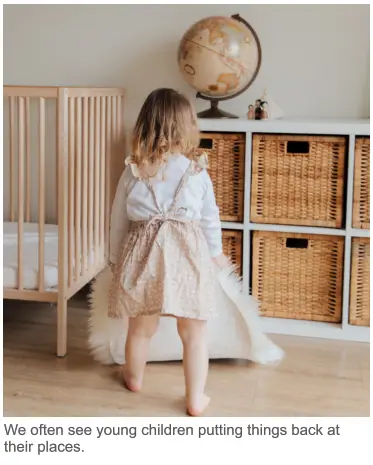
Key Characteristics:
- Need for an Ordered Environment:
Young children show a natural interest in placing things in their proper spots. For instance, toddlers often hand over their cups after finishing or try to arrange furniture. This reflects their desire to bring order to their surroundings. - Love for Consistency:
Children enjoy consistency in routines. They prefer familiar objects like a favorite toy or cup and may resist changes to their daily habits. - Love for Repetition:
Activities like playing peekaboo repeatedly delight young children. While adults may tire, the child’s love for repetition stems from their need to master and internalize patterns. - Disturbed by Disorder:
Even small changes in their environment, like a missing toy or an unfamiliar object, can upset children. This sensitivity is especially evident during tantrums, which are often their way of expressing discomfort they can’t yet articulate.
How Adults Can Support This Sensitivity
To help children thrive during this phase, adults should focus on creating a structured, predictable environment. Following consistent routines, maintaining a designated spot for items, and avoiding abrupt changes can significantly ease their discomfort. Montessori classrooms are designed with this principle in mind, offering order and consistency through carefully arranged spaces and activities.
Practical Tips for Parents and Teachers
- Maximize Order: Keep a designated spot for items and ensure consistency in routines.
- Minimize Disorder: Avoid abrupt changes and involve children in adjustments to their environment.
- Stay Calm and Observe: If a child is distressed, calmly assess the cause and provide solutions while validating their emotions.
Sensitive Period for Language (7 Months in Utero – 6 Years)
Children are remarkably adept at learning languages in their early years due to a natural sensitivity to language development. This sensitivity begins in the womb and continues until about six years of age. During this period, children absorb language effortlessly, acquiring vocabulary, grammar, and pronunciation without formal instruction.
Sub-Periods of Language Sensitivity:
- Listening and Spoken Language (Birth – 3 Years):
Language development starts even before birth, as babies hear their mother’s voice in utero. After birth, their listening skills develop rapidly, and they progress from cooing and babbling to forming sentences.How to Support:- Speak clearly and avoid baby talk.
- Engage children in conversation about everyday objects and activities.
- Read and sing regularly to them.
- Practice active listening to encourage their confidence in communication.
- Letter Shapes and Sounds (2.5 – 5 Years):
During this phase, children develop a fascination with letter shapes and sounds. Montessori classrooms introduce tools like sandpaper letters, which help children trace and learn sounds, preparing them for reading and writing.
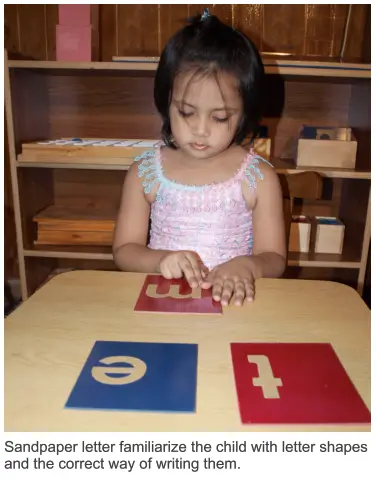
- Writing (3.5 – 4.5 Years):
Writing precedes reading in Montessori education. Children learn to form letters through hands-on activities such as tracing in sand or using chalkboards. These exercises prepare their hand muscles for future writing tasks. - Reading (4.5 – 5.5 Years):
Building on their writing and phonetic knowledge, children naturally begin reading during this phase. Montessori classrooms offer progressive reading exercises to nurture their growing literacy skills.
Tips for Parents and Teachers
- Speak frequently and clearly to your child.
- Offer opportunities to hear and practice new words.
- Read books and sing songs regularly.
- Allow children time to express themselves without rushing to anticipate their needs.
Sensitive Period for Movement (Birth to 4 Years)
Children naturally have boundless energy and a strong drive to move. From birth, they begin to develop motor skills, starting with gripping a finger, adjusting their head to nurse, and waving their arms and legs. As they grow, they roll, crawl, walk, jump, and explore their surroundings with unrelenting enthusiasm. Movement not only builds their muscles but also enhances coordination, independence, and overall development.
Providing a safe, supportive environment is key during this stage. Encourage movement with activities like climbing low furniture, crawling to retrieve toys, or playing with balls. Avoid environments that limit movement, as they hinder learning and development.
- Gross Motor Skills: Involve large muscles, like walking, crawling, or jumping.
- Fine Motor Skills: Involve smaller muscles, such as gripping, twisting, or threading beads.
Stages of Movement Development:
- Acquisition of Motor Skills (Birth to 2.5 Years): Children practice control and coordination through constant activity, which strengthens muscles and enhances balance. Safe, child-friendly spaces with low furniture, textured objects, and opportunities for outdoor exploration foster growth.
- Refinement of Motor Skills (2.5 to 4.5 Years): Once basic skills are mastered, children refine them with precision activities like threading beads, pouring water without spilling, or walking on a straight line.

Sensitive Period for Toilet Training (18 Months to 3 Years)
Children typically become ready for toilet training between 18 months and 3 years. This depends on two factors: physical readiness to control bowel movements and psychological interest in the process.
Prepare early by introducing a potty chair and involving your child in diaper-changing routines. Use cloth diapers to encourage awareness of wetness and reinforce the connection between actions and outcomes. Stay calm, patient, and avoid excessive rewards or criticism to make the process natural and stress-free.
Sensitive Period for Music (Birth to 7 Years)
Children are naturally attuned to music from birth. Scientific studies show that early exposure to music enhances brain development, coordination, creativity, and problem-solving skills. Babies even respond to music in the womb, benefiting from soothing melodies that improve both their brain development and emotional well-being.
Between 2 and 7 years, children are particularly sensitive to learning musical skills, such as singing or playing an instrument. Montessori environments often include child-sized instruments, music tables, and opportunities for group singing and movement. Exposing children to diverse genres and rhythms helps develop their appreciation and coordination.
Sensitive Period for Spatial Relationships (4 to 6 Years)
Spatial awareness refers to understanding the position of objects and their relationships to one another. For example, adults intuitively stop before bumping into a glass door because their spatial sense calculates distance and movement. Young children develop this skill gradually, which is why they often trip or bump into objects.
Montessori classrooms support spatial awareness through puzzles, building activities, and geometry materials. These help children visualize, compare shapes, and understand spatial patterns, preparing them for future exploration in math, geometry, and problem-solving.
Sensitive Period for the Senses (Birth to 5 Years)
Senses are the gateway to understanding the world. During this sensitive period, children are especially drawn to sensory experiences—touching, tasting, smelling, seeing, and hearing.
This period has two phases:
- Focus on Small Objects (1 to 3 Years): Toddlers are fascinated by tiny details, such as small stones or beads, which help develop fine motor skills and focus. Parents should supervise closely to ensure safety but allow exploration.
- Refinement of the Senses (2.5 to 6 Years): Children engage in activities that sharpen their sensory perceptions, such as distinguishing shapes, textures, or sounds. Montessori materials like the Pink Tower or sound cylinders encourage this development.
By supporting children’s natural interests during these stages, parents and educators can create an environment that nurtures growth and unlocks their full potential.
Sensitive Period for Numbers (Ages 4–6 Years)
Mathematics surrounds us in everyday life, from counting scoops of milk powder to complex calculations like a corporation’s financial audit or a moon landing. Dr. Maria Montessori identified the sensitive period for developing a strong foundation in mathematics between 4 and 6 years of age. During this time, children show a natural curiosity about numbers, quantities, and operations. Montessori classrooms introduce math concepts through hands-on materials and activities designed to capture a child’s interest and build understanding.
In her first school, Casa dei Bambini, Dr. Montessori observed that children were eager to explore mathematical concepts. They showed dedication while working with materials she developed, such as counting beads, numeral rods, and tools for addition, subtraction, multiplication, and division. These activities laid the groundwork for understanding algebra, geometry, and even advanced math concepts.
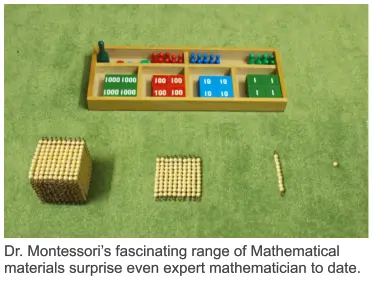
Dr. Montessori believed that children are born with a “mathematical mind.” This refers to innate abilities like recognizing patterns, measuring, and organizing their environment. From infancy, children notice differences in size, distance, and quantity. They explore their surroundings through touch and observation, which sets the stage for understanding more complex ideas later.
Many Montessori materials focus on the decimal system, such as the ten pink cubes in the Pink Tower or the ten red rods. These tools introduce math concepts in a tactile, concrete way, helping children build confidence in their abilities. Dr. Montessori emphasized that young children learn best through hands-on experiences rather than abstract explanations. By introducing math during this sensitive period, children are more likely to develop a lifelong appreciation for the subject.
Sensitive Period for Manners and Social Skills (Ages 2–6)
From ages 2 to 6, children naturally focus on learning social skills and building relationships. This is when they realize they are part of a larger group and begin to form friendships, participate in cooperative play, and understand social norms. During this time, they are eager to learn how to greet, apologize, request politely, and express compassion. For example, a toddler may try to comfort someone who appears upset, even if the sadness is pretend.
To support this phase, children need plenty of opportunities to interact with others, particularly their peers. Adults play a critical role by modeling positive behaviors, such as kindness and politeness, as children closely observe and imitate what they see. Montessori classrooms are designed to encourage social interactions through mixed-age groups, allowing younger children to learn from older ones.

Grace and Courtesy lessons are a key part of the Montessori curriculum, focusing on practical ways to teach politeness, respect, and interpersonal skills. These lessons help children learn cultural and community awareness while building confidence and self-esteem. For instance, children are taught to say “please” and “thank you,” greet visitors, introduce themselves, or politely interrupt a conversation.
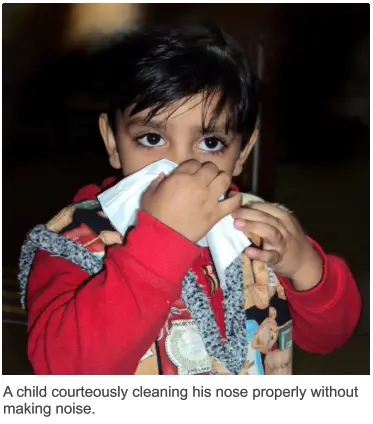
In Montessori classrooms, teachers provide structured opportunities for children to practice these behaviors, helping them develop a sense of dignity and respect for others. These social skills serve children well throughout their lives, fostering meaningful relationships and a sense of community.
Final Thoughts
Sensitive periods are nature’s way of preparing a child for life. By observing children, following their interests, and creating an enriching environment, adults can play a vital role in supporting their development. Every child learns at their own pace, and repetition is a natural part of the process. As Dr. Montessori famously said, “There is in the child a special kind of sensitivity which leads him to absorb everything about him… enabling him to adapt to life.”
Dr. Maria Montessori discovered that the Sensitive Periods are more common in children between birth and seven years of age.
Additional Resources (Optional):
For further undertsanding and revision, you may watch the additional videos below.
Montitute’s Legacy Presentation about The Sensitive Periods