
Unit 7 (M1): Montessori Elementary and Secondary Education – Free Course
Please watch the video presentation above about Montessori Elementary and Secondary Education and continue reading the lesson below.
- – Refer to Chapter One of Module 1 (Introduction to Montessori) for further reading.
Montessori Elementary and Secondary Education
Dr. Montessori’s Shift to Education of Older Children and Adolescents
Montessori education of elementary-aged children (ages 6–12) focuses on nurturing their growing intellectual curiosity and social awareness. At this stage, children are eager to explore the world beyond their immediate environment. The Montessori method encourages inquiry-based learning through “cosmic education,” which integrates subjects like math, science, history, and geography to show how everything is interconnected. It emphasizes collaborative work, independent research, and critical thinking, helping children develop problem-solving skills and a deep understanding of complex concepts. Socially, this age group begins to develop a sense of justice and morality, which Montessori education supports through discussions on ethics, responsibility, and cooperation.
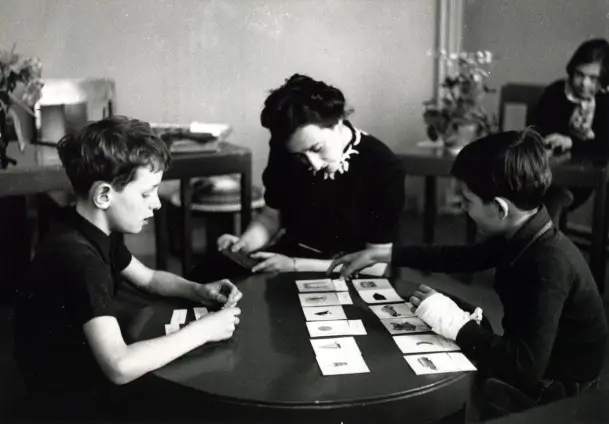
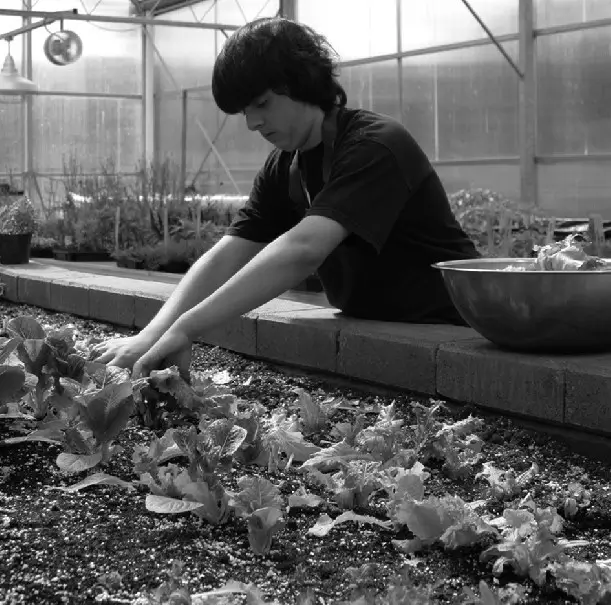
For adolescents (ages 12–18), Montessori education adapts to meet their developmental needs as they seek identity, independence, and purpose. The focus shifts to practical life skills, community engagement, and self-expression. Montessori adolescents often engage in project-based learning, internships, and service-oriented experiences, helping them connect academic knowledge to real-world applications. This approach supports their emotional, social, and intellectual development, fostering self-confidence, responsibility, and a sense of belonging. Overall, Montessori education during these stages prepares young individuals to become thoughtful, independent, and compassionate adults.

2 Comments
I am satisfied
Recommended