Unit 6 (M1): Montessori Training Programs and Publications – Free Course
Please watch the video presentation above about Montessori Training Programs and Publications and then continue reading the lesson below.
- – Refer to Chapter One of Module 1 (Introduction to Montessori) for further reading.
Montessori Training Programs and Publications
How the Montessori Movement Begins to Rise?
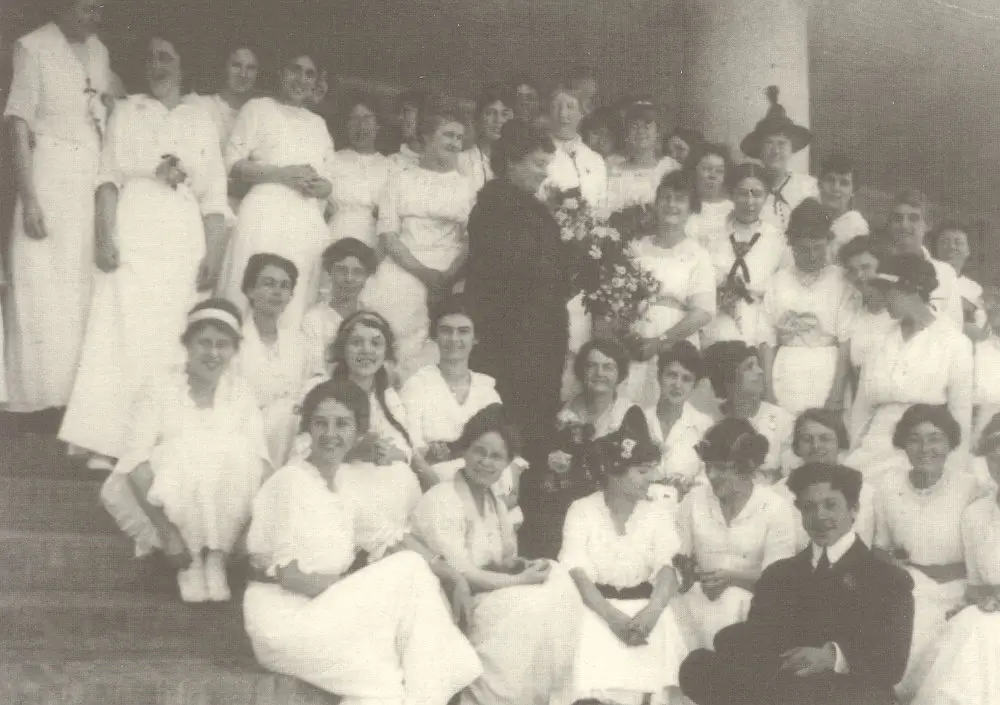
Dr. Maria Montessori conducted her first training program in 1909 in Città di Castello, Italy, where she introduced her revolutionary educational methods to teachers and other professionals. These early courses focused on Montessori’s scientific approach to child development, emphasizing hands-on learning, observation, and the use of self-correcting materials. Her training programs expanded globally as interest in her method grew, and she personally led courses across Europe, India, and the United States. The programs were designed to prepare educators to guide children’s natural development and foster independence, curiosity, and a love of learning. Dr. Montessori’s training emphasized the role of the educator as an observer and facilitator, rather than a direct instructor.
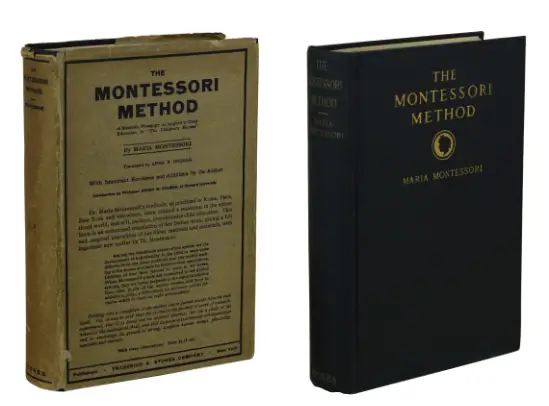
Her publications played a key role in spreading her ideas. Her seminal works include The Montessori Method (1912), where she outlined her educational philosophy and the techniques used in her “Children’s House” (Casa dei Bambini). Other important works include The Absorbent Mind, which explores early childhood development, and The Secret of Childhood, which delves into her observations of children’s natural tendencies and potential. Through her writings, Montessori presented a new vision of education, focusing on respect for the child, self-directed learning, and the development of the whole person—physically, emotionally, and intellectually. These publications continue to be foundational texts in Montessori education.